
Consulting
Mold Remediation
W
hen considering the remodel of a home it is necessary to check for mold. High and dangerous levels of mold are not common occurrences. Nevertheless in situations like the flooding of New Orleans, mold can become a major health hazard.
It is generally accepted that increased levels of airborne spores represent an increasing health risk. To monitor those situations spore counts in problem areas are often compared to background levels. Nevertheless, of the thousands of types of molds found in indoor and outdoor environments, only a few are considered to have adverse health effects. The spores associated with health threats are:- Alternarias
- Aspergillus
- Cladosporium
- Penicillium
- Stachybotrys
What is Mold?
Mold is the blanket term used to describe types of fungi found growing indoors and outdoors, mainly in moist warm environments. Exposure to mold may result in a number of health problems including allergic reactions, asthma attacks, and often infections in people with impaired immune system. Some fungal species, such as Stachybotrys also known as "black mold" or "toxic mold" are extremely dangerous. Stachybotrys produces mycotoxins that can cause flu-like symptoms and other respiratory problems. It is associated with a variety of neurological effects, immune suppression and with infant pulmonary hemorrhage. There are no U.S. regulatory standards for either indoor or outdoor levels of mold spores in the air. The National Allergy Bureau of the American Academy of Allergy and Immunology has set general nationwide definitions for mold spore counts in the outdoor environment. The health hazard posed by mold is usually assessed by the:- quantity of fungal spores
- types of mold present.
Mold and The Environment
People spend most of their daily lives indoors and according to the EPA, air levels of indoor pollutants sometimes reach two to three times higher than the levels found outdoor. Mold comes in contact with humans by:- Breathing in the spores from the air
- Skin contact from handling an item with mold on it
- Lack or improper hand washing after handling moldy objects, before eating
Mold and Health
Invasive fungal pneumonia almost never occurs in healthy people, but can be a very serious threat to people with weak immune or lung function. The long term effects of exposure to mycotoxins in humans are unknown and remain of high concern. Beyond allergens and irritants mold may produce mycotoxins —toxic substances. Allergic reactions can be immediate or delayed, varying with the individual. Asthmatics, immune system challenged, the aging, children, and pregnant women are the more risk prone. Exposure to mold may cause:- Itching or irritation of the nose, eyes, throat or skin
- Sinus infections and congestion
- Respiratory problems
- Skin rashes
- Headaches
- Trouble concentrating, memory lapses and confusion
- Mood swings —anxiety and depression
- Chronic aches and pains
- Digestive disorders
- Tiredness
Mold and the Environment
In nature mold plays a natural role in the environment. It decomposes dead organic matter such as dead trees and fallen leaves. It often appears in damp and moist areas either as little black circles or thread-like white residue, accompanied of a musty odor. Mold reproduces through microscopic spores; which float on air. Indoors mold grows when these spores land on wet or damp surfaces. Mold is unable to grow without water or moisture. Always dry water-damaged areas and objects within a maximum of 48 hours to prevent mold contamination. Indoors mold is often found in:- Basements
- Kitchens
- Refrigerators
- Bathroom vanities
- Washer/dryer area
- Carpet pads and underside
- Walls behind furniture - condensation
- Ceilings
- Top side of ceiling tiles
- Front and backs of dry walls
- Wallpaper
- Paneling
- Inside HVAC systems
- Duct work
- Clothing
- Food
- Direct Culture — preferred method for visible mold. It takes up to 14 days to grow and identify. A sample is collected using a swab and sent to a lab for analysis. The swab is then plated on media that elicits growth.
- Air Spore Sampling. — Preferred method for immediate diagnosis. It requires a minimum of two samples. Samples are captured through an aspiration device set for a specific amount of time and a specific volume of air and sent to a lab where personnel count each type of mold spore and perform a quantitative outdoor/indoor comparison.
Mold Prevention
Indoor mold cannot be completely eliminated. Mold spores will always float in the air and dust. Mold growth indoors may be prevented by prompt water and moisture control. The best way to prevent mold growth is to:- Repair all water leaks
- Provide good air circulation
- Electrostatic filter on the return of All HVAC systems
- Exhaust fans Use in bathrooms, kitchens and laundry rooms
- Insulation and ventilation of attics and crawl spaces
- Immediately Clean, dry or remove items that damaged by water
 If you need to set a consultation session or want further information,
click
here.
If you need to set a consultation session or want further information,
click
here.
Recommended Links
- Mold Course
- Indoor Air Quality Association - Mold Resources
- EPA - U.S. Environmental Protection Agency, Mold Remediation in Schools and Commercial Buildings
- Got Mold? FAQs about Mold
- Mold Allergy (Asthma and Allergy Foundation of America)
- Environmental Protection Agency (A Brief Guide to Mold, Moisture and Your Home)
- State of Missouri Department of Health and Senior Services
[ TOP ]

- Asbestos Remediation
- How To "Greenscaping"
- A Green Home
- About Steve Wauson
- News and Information
- Recommended Links
- "Green" Links
- Contact Us
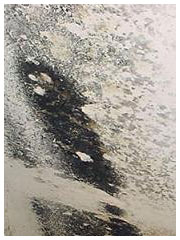
Some fungal species, such as Stachybotrys also known as "black
mold" or "toxic mold" are extremely dangerous.
